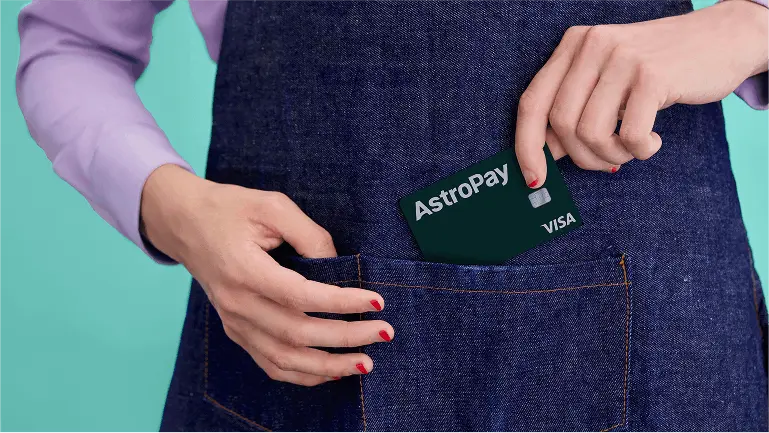
The future of payments is stable
Global economy, local payment systems
We live in a rapidly evolving world where people earn money in one country and spend it in another. Yet the systems that move money haven’t kept pace.
While everything else in life feels instant—from messaging to travel to streaming—moving your own money across borders still involves friction.
If you’ve ever waited days for an international payment to clear or seen fees eat into your earnings, you know this problem firsthand. For millions of freelancers and entrepreneurs worldwide, this isn’t just an inconvenience—it’s a real barrier to fully participating in the global economy.
Traditional cross-border payments can cost up to 7% in fees and take nearly five business days to settle. Banking simply wasn’t built for how people move money today.
Stablecoins close the gap
Stablecoins are digital currencies pegged to real-world assets like the US dollar. But instead of moving through banks, they run on fast, low-cost, always-on networks.
That means no more waiting for transfers to settle before rent is due—just money that moves on your schedule.
For someone earning in USD but spending in Brazilian reais or Argentine pesos, this changes everything. You can receive payments instantly, convert currencies when it suits you, and avoid the traditional maze of intermediaries.
Stablecoins are not just faster—they’re also more predictable.
But let’s be honest: stablecoins haven’t always been easy to use. Most tools built around them have been designed for crypto experts, not everyday users.
That’s where the real opportunity lies today: turning powerful technology into something people can use daily.
Borderless payments
People aren’t adopting stablecoins because they’re trendy—they’re turning to them because the old system doesn’t work.
If you’re a freelancer in Bogotá or a creator in Buenos Aires, you don’t need hype—you need to get paid, preserve value, and spend without jumping through hoops.
In parts of Latin America and Southeast Asia, stablecoins are already replacing outdated systems. They’re solving problems banks have left unanswered for too long.
And once you’ve used them, it’s hard to go back.
A system that moves with you
The global economy isn’t coming—it’s already here. What’s been missing is a way to move money that keeps up.
Stablecoins are filling that gap, offering speed, access, and control to people who’ve been left waiting by legacy systems.
With the right infrastructure behind them, stablecoins become more than just a tech upgrade—they become a new standard.
One that works across borders, currencies, and time zones—without friction.
Cross-border payments shouldn’t be stuck in the past. With stablecoins and the right tools, they can finally move as fast and seamlessly as the rest of our digital lives.




Keeping your money safe

Dedicated support

Privacy and data

International safeguarding


Live and work without borders
Get the AstroPay app